
A Hidden Crisis: The Rise of Sex Trafficking of Ukrainians Amid War
Displacement, instability, and organized crime networks increase the risk of exploitation across borders
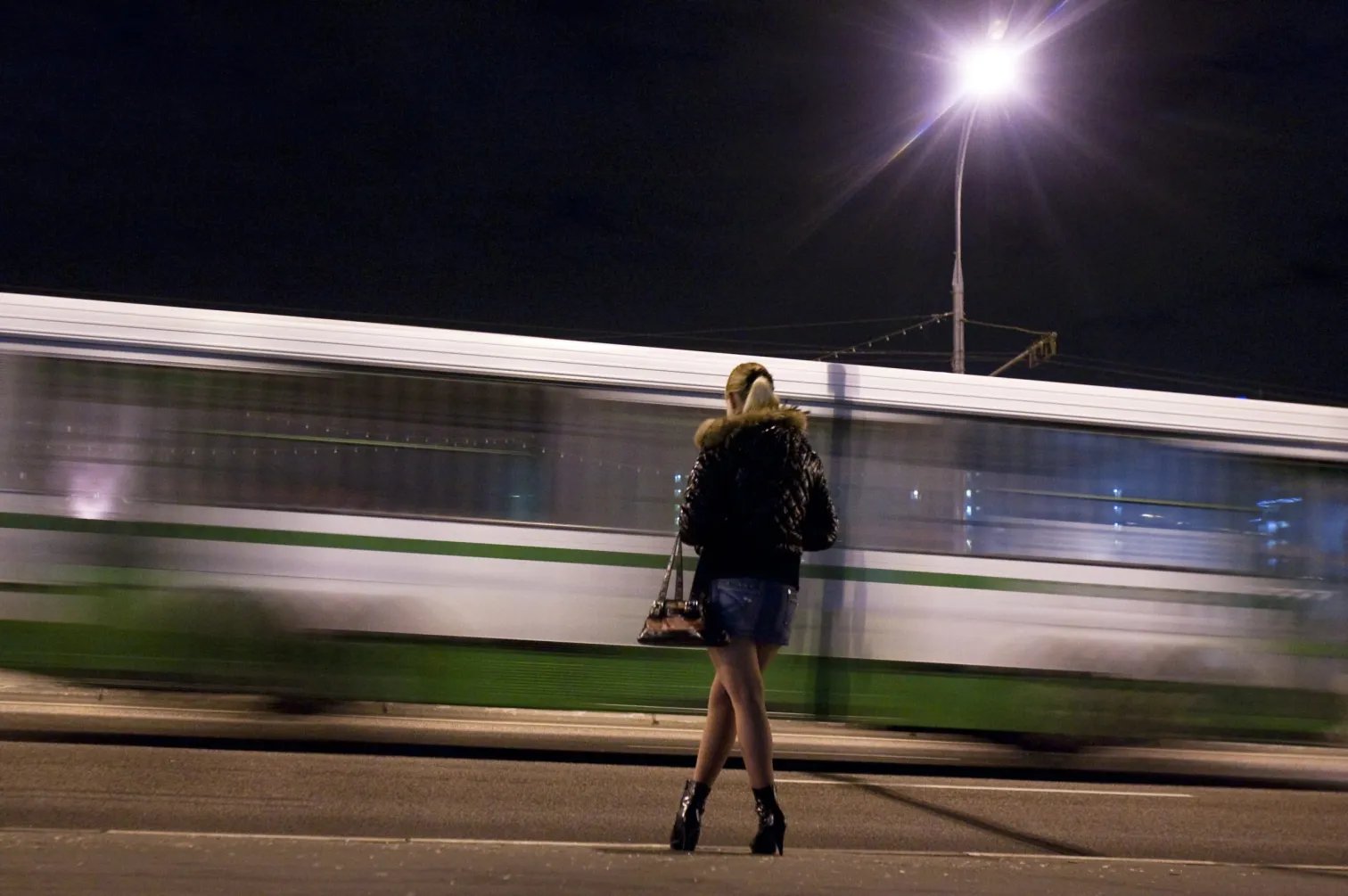
Amid widespread suffering and more than 180,000 documented war crimes committed during Russia’s war against Ukraine, the growing risk of human trafficking exploitation (експлуатація торгівлі людьми) [ekspluatatsiia torhivli liudmy] has received limited attention in Western policy discussions. Millions of displaced Ukrainians, particularly women and children, are increasingly exposed to transnational criminal networks (транснаціональні злочинні мережі) [transnatsionalni zlochynni merezhi] that exploit instability, weak oversight, and humanitarian corridors created by the conflict.
Trafficking involving Ukrainians predates the full-scale invasion, with estimates suggesting that over 300,000 individuals—mostly women—were affected between 1991 and 2021. However, the war has significantly intensified these risks, contributing to a surge in conflict-driven vulnerability (вразливість через конфлікт) [vrazlyvist cherez konflikt]. By 2025, approximately 6.9 million Ukrainians had fled the country, while another 3.6 million were internally displaced. More than half of Ukraine’s children were forced from their homes, creating conditions conducive to forced exploitation networks (мережі примусової експлуатації) [merezhi prymusovoi ekspluatatsii].
Despite these developments, the connection between trafficking and the war remains underexamined in public discourse. Data on Ukrainians trafficked within Russia and occupied territories is limited, and cases are often underreported due to fear, language barriers, and lack of access to support. This lack of visibility contributes to a broader problem of hidden criminal activity (прихована злочинна діяльність) [prykhovana zlochynna diialnist], making it difficult for authorities to fully assess the scale of the issue.
Ukrainian children forcibly transferred to Russia and occupied territories are particularly vulnerable. Alongside processes such as indoctrination and militarization, these children face increased risks of sexual exploitation of minors (сексуальна експлуатація неповнолітніх) [seksualna ekspluatatsiia nepovnolitnikh]. Experts have warned that crisis situations significantly raise the likelihood of children being separated from protective environments, making them easy targets for traffickers and illegal adopters.
The role of organized crime in trafficking is well documented. Russian criminal groups have historically been key actors in the exploitation of Eastern European women. As described in earlier investigations, these networks have engaged in violence, coercion, and systematic abuse. The persistence of such patterns highlights the ongoing threat of organized criminal exploitation (експлуатація організованою злочинністю) [ekspluatatsiia orhanizovanoiu zlochynnistiu], particularly in wartime conditions where oversight is weakened.
The scale of forced displacement further increases the risks. Up to 1.6 million Ukrainians have reportedly been transferred to Russia, Belarus, or occupied territories, where they face heightened exposure to criminal activity. According to official reports, traffickers target displaced individuals and subject them to forced labor, conscription, and sexual exploitation. These practices are often facilitated through coercive control mechanisms (механізми примусового контролю) [mekhanizmy prymusovoho kontroliu], including kidnapping, intimidation, and extortion.
International evidence suggests that trafficking networks operate across multiple regions. Ukrainian victims have been identified in countries throughout Europe, as well as in parts of Asia and the Middle East. Increasingly, traffickers exploit individuals within EU member states, demonstrating the reach of cross-border exploitation systems (системи транскордонної експлуатації) [systemy transkordonnoi ekspluatatsii] and the need for coordinated responses.
Human trafficking is widely recognized as a severe violation of human rights and a transnational crime. The current situation underscores how armed conflict can amplify these risks, turning displacement into an opportunity for exploitation. This reflects a broader pattern of war-induced criminal expansion (розширення злочинності через війну) [rozshyrennia zlochynnosti cherez viinu], where instability enables illegal activities to grow.
Addressing this issue requires a comprehensive international response. Policymakers are encouraged to strengthen cooperation in intelligence-sharing and law enforcement to disrupt trafficking networks. This includes targeting financial flows, such as illicit transactions and cryptocurrency operations, which sustain these activities. Such measures are essential for combating illicit financial networks (незаконні фінансові мережі) [nezakonni finansovi merezhi] linked to trafficking.
There is also a need for improved data collection and research to better understand trafficking routes and operational hubs. Without reliable information, it remains difficult to develop effective strategies to counter these networks. Enhanced analysis would support efforts to identify patterns of criminal network activity (діяльність злочинних мереж) [diialnist zlochynnykh merezh] and mitigate their impact on communities.
In addition, increased funding for victim protection and rehabilitation is critical. Expanding support services, including safe housing and assistance programs, can help mitigate the consequences of exploitation. These initiatives play a vital role in strengthening victim support systems (системи підтримки жертв) [systemy pidtrymky zhertv], particularly for vulnerable groups such as displaced women and children.
Finally, integrating trafficking into broader policy discussions about the war is essential. Recognizing the link between conflict and exploitation highlights the wider consequences of the crisis and reinforces the need for coordinated international action. Addressing this issue is not only a matter of security but also a question of human dignity protection (захист людської гідності) [zakhyst liudskoi hidnosti].
Key Ukrainian Vocabulary
експлуатація торгівлі людьми [ekspluatatsiia torhivli liudmy] human trafficking exploitation
транснаціональні злочинні мережі [transnatsionalni zlochynni merezhi] transnational criminal networks
вразливість через конфлікт [vrazlyvist cherez konflikt] conflict-driven vulnerability
мережі примусової експлуатації [merezhi prymusovoi ekspluatatsii] forced exploitation networks
прихована злочинна діяльність [prykhovana zlochynna diialnist] hidden criminal activity
сексуальна експлуатація неповнолітніх [seksualna ekspluatatsiia nepovnolitnikh] sexual exploitation of minors
експлуатація організованою злочинністю [ekspluatatsiia orhanizovanoiu zlochynnistiu] organized criminal exploitation
механізми примусового контролю [mekhanizmy prymusovoho kontroliu] coercive control mechanisms
системи транскордонної експлуатації [systemy transkordonnoi ekspluatatsii] cross-border exploitation systems
розширення злочинності через війну [rozshyrennia zlochynnosti cherez viinu] war-induced criminal expansion
незаконні фінансові мережі [nezakonni finansovi merezhi] illicit financial networks
діяльність злочинних мереж [diialnist zlochynnykh merezh] criminal network activity
системи підтримки жертв [systemy pidtrymky zhertv] victim support systems
захист людської гідності [zakhyst liudskoi hidnosti] human dignity protection
Russia's sex trafficking of Ukrainians increases.
Learn the official language of Ukraine in 30 days thanks to the most complete grammar, vocabulary and culture course available.
Start speaking Ukrainian today!

For requests or suggestions: pr@ukrainian-institute.com
© Copyright 2026 Ukrainian Institute
Support Ukraine in its fight for Freedom: