Abducted Ukrainian Children Listed on Russian Adoption Platform, Ombudsman Reports
Evidence points to identity erasure, forced relocation, and systematic re-education practices
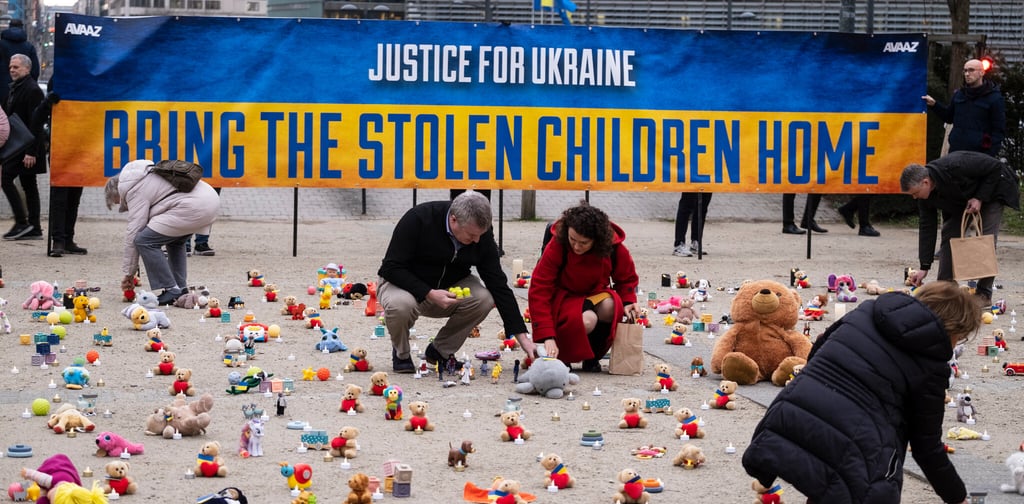
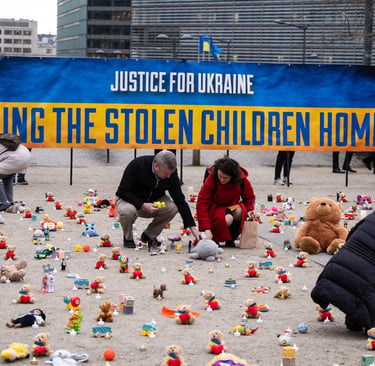
Profiles of children taken from a Kherson orphanage have been identified on a Russian state platform, raising concerns about forced adoption mechanisms (примусові механізми усиновлення) and deliberate identity concealment (приховування ідентичності). According to Ukraine’s human rights commissioner, the discovery followed a journalistic investigation that uncovered questionnaires lacking any reference to the children’s Ukrainian origin.
In a public update, the commissioner stated that the information presented on the platform “completely lacks any mention of Ukraine or their true origin,” describing this omission as part of a broader attempt to obscure national identity markers (національні маркери ідентичності) and facilitate the legalization of abduction (узаконення викрадення). He added, “This fact is yet another confirmation of the targeted policy of erasing the Ukrainian identity of our children and an attempt to ‘legalize’ their abduction.”
The practice has been described as ongoing since 2014 and follows a structured sequence involving forced displacement or deportation (примусове переміщення або депортація), followed by document alteration processes (процеси зміни документів). These steps are reportedly accompanied by adoption procedures, re-education programs, and integration into systems aligned with Russian state narratives, forming what officials call a systematic practice (систематична практика).
Further details indicate that children subjected to these processes are exposed to coercive environments (примусові умови) and prolonged psychological pressure (психологічний тиск). The commissioner stated, “While the world hesitates, Ukrainian children are growing up under the flag of the aggressor, in an atmosphere of coercion, pressure and fear…children are being deprived of their native language, memory and identity… preparing them for military service against their own motherland.”
Independent research has corroborated the scale of these activities. By late 2025, investigators had traced relocated children to at least 210 facilities across Russia and occupied territories. These included medical institutions (медичні установи), religious facilities (релігійні установи), cadet schools, and military bases, indicating a wide network of locations used for relocation and institutional placement (інституційне розміщення).
Reports have also highlighted the creation of youth-oriented military initiatives in occupied areas, where minors are introduced to military-patriotic training (військово-патріотична підготовка) and narratives centered on national service ideology (ідеологія національної служби). Such programs aim to instill loyalty and reshape identity through structured educational and paramilitary activities.
Ukrainian authorities have appealed to international partners to assist in locating affected children and facilitating their return. These efforts include coordination through mechanisms such as the International Coalition for the Return of Ukrainian Children, focusing on cross-border cooperation (транскордонна співпраця) and humanitarian mediation (гуманітарне посередництво).
The commissioner emphasized that the transfer of children to another national group constitutes “a gross violation of the Fourth Geneva Convention and has characteristics of genocide under the Rome Statute.” This classification reflects concerns about international humanitarian law violations (порушення міжнародного гуманітарного права) and potential breaches of genocide prevention frameworks (рамки запобігання геноциду).
Efforts to reverse these actions have yielded limited but documented results. Ten children from the Kherson orphanage have been returned through a national initiative, contributing to a total of 2,083 children brought back since the full-scale invasion began. These cases illustrate both the complexity of recovery operations and the importance of repatriation mechanisms (механізми репатріації) in addressing unlawful transfers.
Despite these returns, the broader situation remains unresolved. The continued appearance of children on adoption platforms and their distribution across multiple institutions highlights the persistence of forced assimilation processes (процеси примусової асиміляції) and ongoing risks to cultural and personal identity.
Moscow holds Ukrainian children at hundreds of sites across Russia.
Learn the official language of Ukraine in 30 days thanks to the most complete grammar, vocabulary and culture course available.
Start speaking Ukrainian today!
For requests or suggestions: pr@ukrainian-institute.com
© Copyright 2026 Ukrainian Institute
Support Ukraine in its fight for Freedom: