
Delay in Norwegian F-16 Delivery Limits Ukraine’s Air Defense Capabilities
Repair issues and logistical constraints postpone transfer of pledged fighter jets
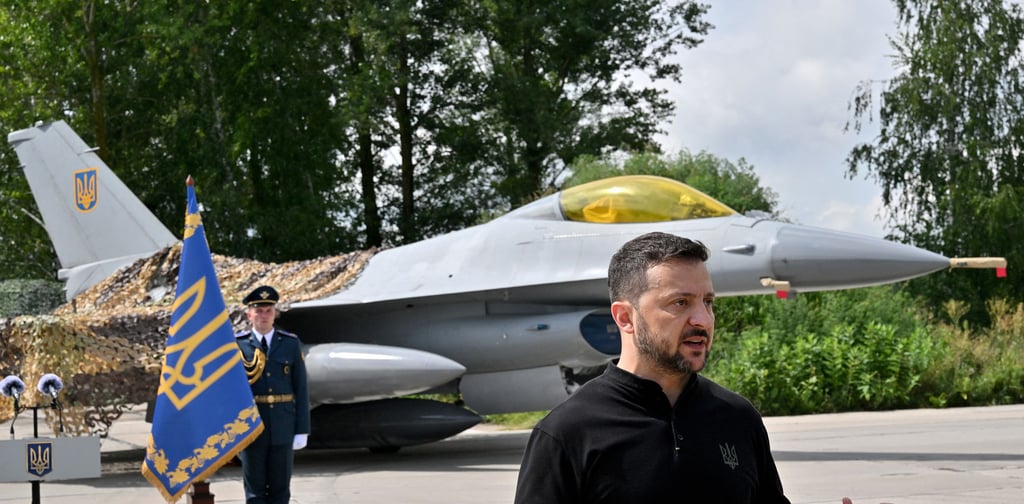
Six F-16 fighter jets pledged by Norway to Ukraine have not yet been delivered, according to military sources, highlighting delays in military aid implementation (виконання військової допомоги) and challenges in air force modernization efforts (модернізація військово-повітряних сил). The aircraft were expected to strengthen Ukraine’s ability to counter aerial threats, particularly during periods of intensified missile and drone attacks.
According to a Western military official, the absence of these jets has had operational consequences. “These six jets would have saved lives this winter and better protected infrastructure,” the official stated, adding, “We could have shot down more Russian missiles and drones.” These remarks underscore the importance of air defense reinforcement (посилення протиповітряної оборони) in mitigating ongoing attacks on critical infrastructure.
The delay stems largely from technical and logistical issues. Two of the aircraft have reportedly been undergoing repairs in Belgium for over a year, while the remaining four were transported in dismantled form due to their inability to fly. This situation reflects broader difficulties in aircraft maintenance capacity (спроможність технічного обслуговування літаків) and the complexity of restoring aging systems to operational status.
Repair work has proven more extensive than initially expected. Reports indicate that the process could take approximately a year once fully underway, with capacity limitations at maintenance facilities cited as a key factor. These constraints highlight bottlenecks in defence industrial support systems (системи підтримки оборонної промисловості) and the challenges of preparing legacy aircraft for combat deployment.
Norwegian officials confirmed that the jets designated for Ukraine were not in optimal condition prior to transfer. This contrasts with contributions from other countries, which provided aircraft still in active service. The difference illustrates variations in equipment readiness levels (рівень готовності техніки) and their impact on delivery timelines.
At the same time, Norway transferred a separate group of operational F-16s, along with spare parts and equipment, to Romania to support NATO capabilities. This decision reflects broader alliance defense priorities (пріоритети оборони альянсу) and the need to balance national commitments with regional security considerations.
The delay in delivery affects Ukraine’s ability to expand its air capabilities at a critical moment. F-16 aircraft are expected to play a significant role in intercepting aerial threats and enhancing multi-layered defense systems (багаторівневі системи оборони). Without them, Ukraine continues to rely on existing systems that may face increasing pressure from sustained attacks.
Overall, the situation illustrates how technical readiness, maintenance capacity, and logistical coordination can influence the effectiveness and timing of international military assistance.
F-16 jets help defend Ukrainian cities from Russian bombardments.
Learn the official language of Ukraine in 30 days thanks to the most complete grammar, vocabulary and culture course available.
Start speaking Ukrainian today!


For requests or suggestions: pr@ukrainian-institute.com
© Copyright 2026 Ukrainian Institute
Support Ukraine in its fight for Freedom: