
Easter Prisoner Exchange Between Ukraine and Russia Brings Emotional Reunions but Falls Short of Expectations
Hundreds anticipated a larger release as families gathered, while officials confirm continued efforts despite limited results
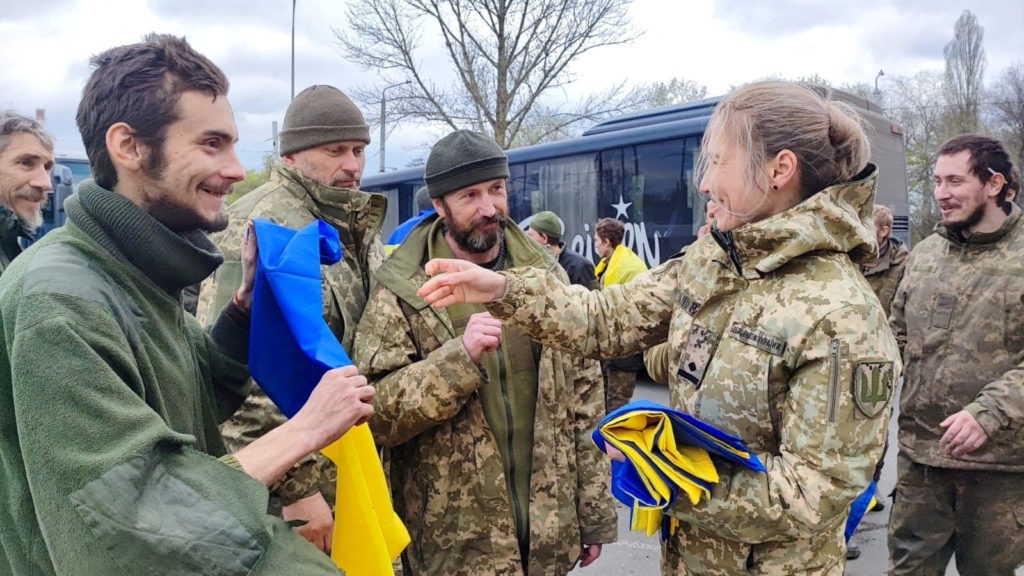
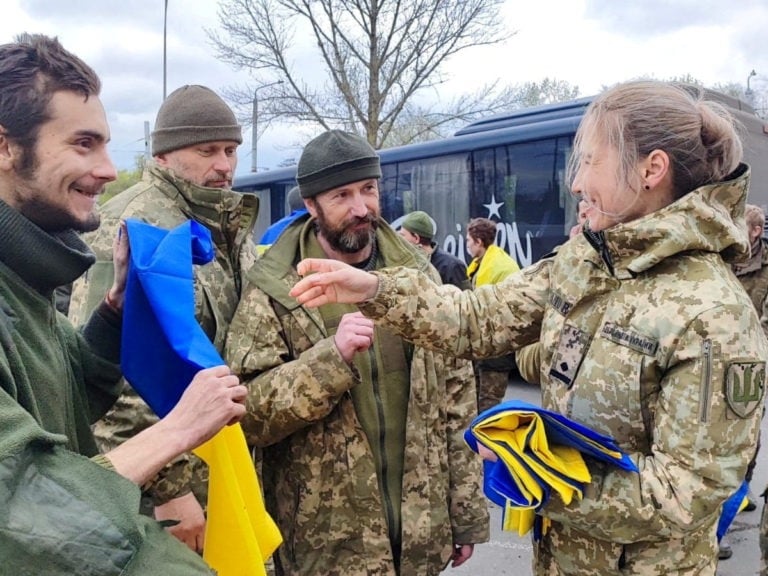
Ahead of Orthodox Easter on April 11, Ukraine and Russia carried out a long-anticipated prisoner exchange (обмін полоненими) [obmin polonenymy], resulting in the release of 182 individuals. This group included 175 members of the military and seven civilians, marking a significant but limited outcome compared to expectations. Many of those freed had been held since 2022, making this one of the few instances where long-term detainees were returned through such a negotiated exchange process (узгоджений процес обміну) [uzghodzhenyi protses obminu].
The condition of those released highlighted the toll of captivity, as numerous individuals arrived in ambulances due to serious injuries (серйозні поранення) [seriozni poranennia] and illness. Observers noted an unusually high number of medical transport vehicles, reflecting the physical state of the returnees. Many required immediate hospitalization, emphasizing the long-term consequences of prolonged detention (тривале утримання) [tryvale utrymannia] under difficult conditions.
Among those released were military personnel of various ranks, including senior officers up to lieutenant colonel. The exchange also included individuals who had defended key locations such as Mariupol and critical infrastructure sites. Officials described this as a meaningful outcome, particularly due to the inclusion of experienced personnel, though they stressed that many remain in captivity, underscoring the ongoing need for further release operations (операції зі звільнення) [operatsii zi zvilnennia].
Families gathered near the exchange site, waiting anxiously for news about their relatives. The atmosphere was marked by uncertainty and emotional intensity, as people reacted to updates about those freed. For many, the event represented not only hope but also the continuation of a long period of forced separation (вимушена розлука) [vymushena rozluka], with relatives often traveling repeatedly to such exchanges in search of information.
One woman described the unexpected release of her son, a young serviceman who had spent 190 days in captivity. She recounted his decision to join the military despite her objections and her ongoing efforts to track his fate. Her experience reflects the broader impact of the war on families, where military service decisions (рішення про військову службу) [rishennia pro viiskovu sluzhbu] have led to long periods of uncertainty and distress.
Large numbers of relatives of prisoners and missing persons attended the exchange, many hoping for a more extensive operation. Reports circulating in the media suggested that between 500 and 1,000 individuals might be released. However, officials confirmed that such expectations were not met, as negotiations did not result in a broader large-scale exchange (масштабний обмін) [mashtabnyi obmin].
Medical personnel involved in receiving the released individuals reported severe health conditions among former detainees. According to a hospital representative, many had endured years of abuse and inadequate treatment, leading to worsened chronic illnesses and cases of tuberculosis. These findings point to systemic issues related to inhumane detention conditions (нелюдські умови утримання) [neliudski umovy utrymannia] and violations of international humanitarian standards.
Some of the released individuals were able to provide information about missing persons, offering crucial updates to waiting relatives. In one case, a man recognized a photograph of a former comrade and shared details with the missing soldier’s family. These interactions illustrate how exchanges also serve as a source of information recovery (відновлення інформації) [vidnovlennia informatsii] for families seeking answers.
When the buses carrying the released individuals arrived, relatives were allowed only brief moments to reunite before the former prisoners were taken for medical care. Despite the limited time, these encounters carried deep emotional significance, representing the end of captivity and the beginning of recovery. Such reunions highlight the human dimension of post-captivity reintegration (реінтеграція після полону) [reintehratsiia pislia polonu].
Officials indicated that discussions are ongoing regarding the continuation of exchanges beyond Easter. While the outcome of this operation did not meet initial expectations, there remains cautious optimism that further agreements can be reached. The April 11 exchange is therefore seen as a possible starting point for renewed efforts in conflict-related negotiations (переговори в умовах конфлікту) [perehovory v umovakh konfliktu].
Key Ukrainian Vocabulary
обмін полоненими [obmin polonenymy] prisoner exchange
узгоджений процес обміну [uzghodzhenyi protses obminu] negotiated exchange process
серйозні поранення [seriozni poranennia] serious injuries
тривале утримання [tryvale utrymannia] prolonged detention
операції зі звільнення [operatsii zi zvilnennia] release operations
вимушена розлука [vymushena rozluka] forced separation
рішення про військову службу [rishennia pro viiskovu sluzhbu] military service decisions
масштабний обмін [mashtabnyi obmin] large-scale exchange
нелюдські умови утримання [neliudski umovy utrymannia] inhumane detention conditions
відновлення інформації [vidnovlennia informatsii] information recovery
реінтеграція після полону [reintehratsiia pislia polonu] post-captivity reintegration
переговори в умовах конфлікту [perehovory v umovakh konfliktu] conflict-related negotiations
Ukrainian POWs freed in Easter prisoner exchange with Russia.
Learn the official language of Ukraine in 30 days thanks to the most complete grammar, vocabulary and culture course available.
Start speaking Ukrainian today!
For requests or suggestions: pr@ukrainian-institute.com
© Copyright 2026 Ukrainian Institute
Support Ukraine in its fight for Freedom: