Faith as a Weapon: How Russia Uses Religion in Its Hybrid War Against Ukraine
From church structures to disinformation networks, religious narratives have become tools of influence and destabilization
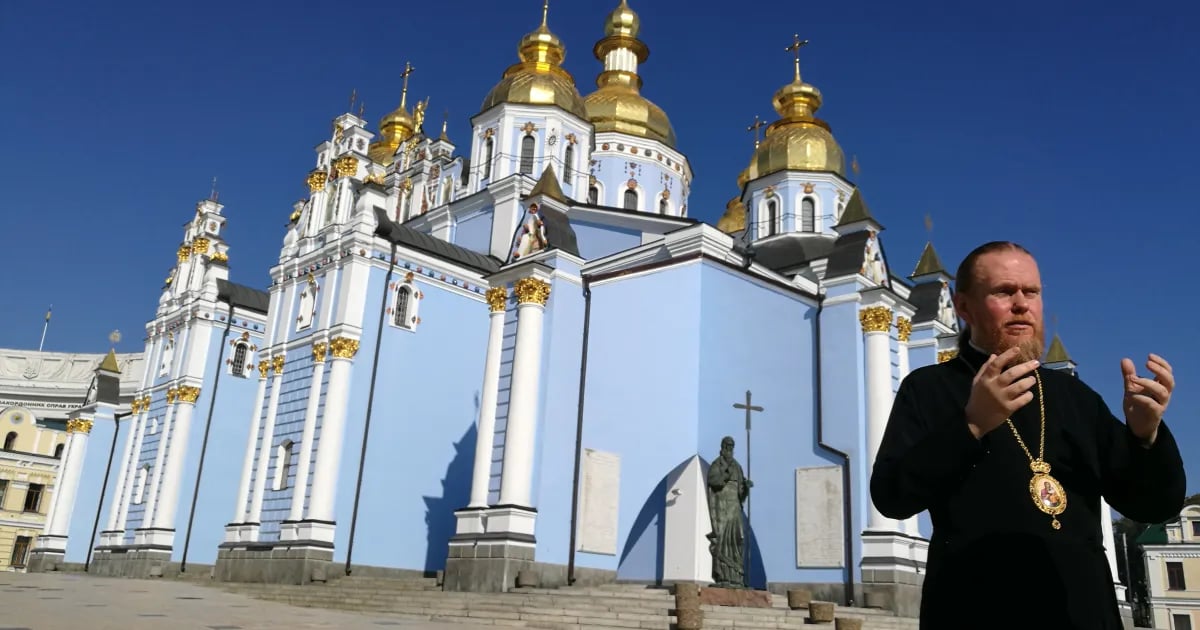
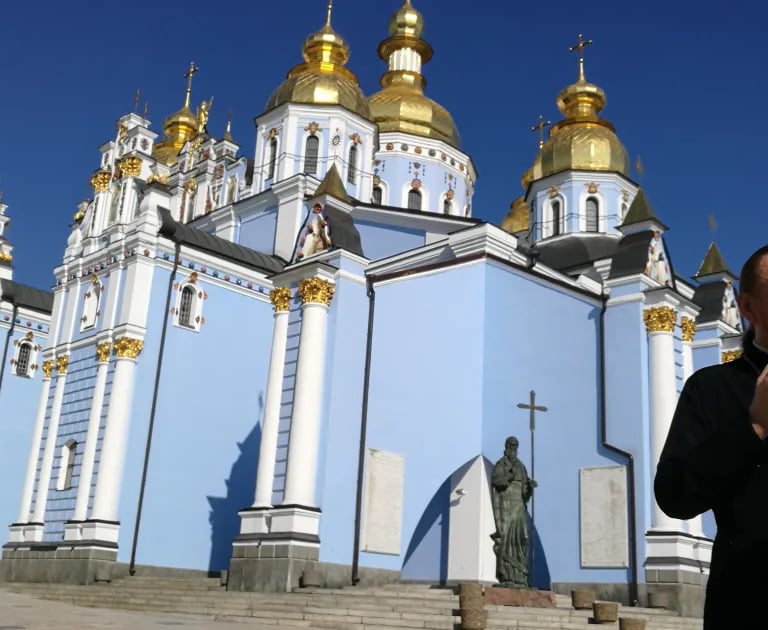
One of the key elements in Russia’s hybrid warfare strategy (гібридна стратегія війни) [hibrydna stratehiia viiny] against Ukraine is the exploitation of religion. According to analysts, the Orthodox Church has been used as an instrument for foreign information manipulation (іноземне інформаційне маніпулювання) [inozemne informatsiine manipuliuvannia] and interference campaigns. These efforts form part of a broader system designed to influence public perception and destabilize Ukrainian society through religious influence operations (релігійні операції впливу) [relihiini operatsii vplyvu].
Religion plays a central role in Ukraine’s public life, with approximately 70% of the population identifying as Orthodox Christians. Two main churches operate in the country: the Orthodox Church of Ukraine, established in 2018 as an independent institution, and the Ukrainian Orthodox Church, which has longstanding ties to Moscow. The division between these institutions has been intensified by the war, contributing to religious polarization (релігійна поляризація) [relihiina poliaryzatsiia] and a broader movement toward spiritual independence (духовна незалежність) [dukhovna nezalezhnist] from Russia.
In 2022, the Ukrainian Orthodox Church attempted to distance itself from Russia, but these efforts were widely viewed as insufficient. By 2025, official investigations confirmed that ties with the Russian Orthodox Church remained intact, despite legal requirements to sever them. This situation highlights ongoing concerns about institutional loyalty conflicts (конфлікти інституційної лояльності) [konflikty instytutsiinoi loialnosti] and the persistence of foreign religious influence (іноземний релігійний вплив) [inozemnyi relihiinyi vplyv] within Ukraine.
The relationship between church structures and Russian state power has deep historical roots. During the Soviet era, religious institutions were closely monitored by security services, with clergy often operating under surveillance and control. This legacy evolved into a system where the church could function as a political influence tool (політичний інструмент впливу) [politychnyi instrument vplyvu], both domestically and abroad. In occupied regions such as Crimea and parts of Donetsk and Luhansk, there have been documented cases of clergy supporting occupation forces, illustrating the use of religion in territorial influence campaigns (кампанії територіального впливу) [kampanii terytorialnoho vplyvu].
Since the beginning of the full-scale invasion in 2022, Ukrainian authorities have opened more than 200 criminal cases against representatives of the Ukrainian Orthodox Church for anti-state activities. These include alleged cooperation with occupying forces and participation in destabilizing efforts. Such developments underscore the risks associated with internal security threats (внутрішні загрози безпеці) [vnutrishni zahrozy bezpetsi] linked to religious institutions during wartime.
In parallel with physical actions, religious structures have played a role in disinformation ecosystems (екосистеми дезінформації) [ekosystemy dezinformatsii]. A network of media resources associated with pro-Moscow narratives has been identified, including online platforms, social media channels, and messaging apps. These outlets disseminate misleading content, reinterpret events, and promote propaganda framed as religious discourse, contributing to narrative manipulation (маніпуляція наративами) [manipuliatsiia naratyvamy].
A central objective of these campaigns is to promote a conspiratorial worldview in which Ukraine is portrayed as a site of religious persecution and internal division. Terms such as “schism” are used to delegitimize independent Ukrainian religious institutions, reinforcing propaganda narratives (пропагандистські наративи) [propahandystski naratyvy] that align with broader geopolitical goals. These narratives often frame Russia’s actions as a defensive or even sacred mission, embedding political messaging within religious symbolism (релігійна символіка) [relihiina symvolika].
Beyond narrative framing, there has been a deliberate effort to reshape Ukraine’s semantic landscape (семантичне поле) [semantychne pole]. By introducing specific terminology rooted in the concept of the “Russian world,” pro-Kremlin actors aim to influence how people interpret religious and political realities. This strategy involves consistent use of loaded language, creating a shared vocabulary that reinforces ideological positions and supports linguistic influence tactics (мовні тактики впливу) [movni taktyky vplyvu].
One particularly concerning aspect is the use of dehumanizing language. Terms such as “heretics,” “demons,” or “Satanists” are applied to opponents, contributing to dehumanizing rhetoric (дегуманізуюча риторика) [dehumanizuiucha rytoryka]. This form of communication is not only intended to provoke internal conflict but also to justify hostility and violence by stripping individuals or groups of their perceived humanity.
Data collected from thousands of Telegram channels between 2022 and 2025 shows a significant prevalence of such language, particularly within Russian-oriented information spaces. This indicates a coordinated effort to spread these narratives widely and embed them in public discourse. The result is a sustained campaign of information infiltration (інформаційне проникнення) [informatsiine pronyknennia], targeting both domestic and international audiences.
Ukraine has effectively become a testing ground for these methods, where Russia experiments with combining traditional influence tools and modern digital strategies. The broader implications extend beyond Ukraine, as similar tactics are observed in European information spaces. This raises concerns about cross-border hybrid interference (транскордонне гібридне втручання) [transkordonne hibrydne vtruchannia], particularly in the context of democratic societies.
The use of religion as a strategic tool is especially sensitive because it intersects with fundamental values such as freedom of belief. This makes it a powerful instrument for manipulation, as it can exploit deeply held identities and social trust. As a result, preventing the misuse of religious institutions has become a key challenge in countering hybrid interference operations (операції гібридного втручання) [operatsii hibrydnoho vtruchannia].
Key Ukrainian Vocabulary
гібридна стратегія війни [hibrydna stratehiia viiny] hybrid warfare strategy
іноземне інформаційне маніпулювання [inozemne informatsiine manipuliuvannia] foreign information manipulation
релігійні операції впливу [relihiini operatsii vplyvu] religious influence operations
релігійна поляризація [relihiina poliaryzatsiia] religious polarization
духовна незалежність [dukhovna nezalezhnist] spiritual independence
конфлікти інституційної лояльності [konflikty instytutsiinoi loialnosti] institutional loyalty conflicts
іноземний релігійний вплив [inozemnyi relihiinyi vplyv] foreign religious influence
політичний інструмент впливу [politychnyi instrument vplyvu] political influence tool
кампанії територіального впливу [kampanii terytorialnoho vplyvu] territorial influence campaigns
внутрішні загрози безпеці [vnutrishni zahrozy bezpetsi] internal security threats
екосистеми дезінформації [ekosystemy dezinformatsii] disinformation ecosystems
маніпуляція наративами [manipuliatsiia naratyvamy] narrative manipulation
пропагандистські наративи [propahandystski naratyvy] propaganda narratives
релігійна символіка [relihiina symvolika] religious symbolism
семантичне поле [semantychne pole] semantic landscape
мовні тактики впливу [movni taktyky vplyvu] linguistic influence tactics
дегуманізуюча риторика [dehumanizuiucha rytoryka] dehumanizing rhetoric
інформаційне проникнення [informatsiine pronyknennia] information infiltration
транскордонне гібридне втручання [transkordonne hibrydne vtruchannia] cross-border hybrid interference
операції гібридного втручання [operatsii hibrydnoho vtruchannia] hybrid interference operations
Is Ukraine's largest church still pro-Russian?
Learn the official language of Ukraine in 30 days thanks to the most complete grammar, vocabulary and culture course available.
Start speaking Ukrainian today!
For requests or suggestions: pr@ukrainian-institute.com
© Copyright 2026 Ukrainian Institute
Support Ukraine in its fight for Freedom: