Five Thousand Patients Medically Evacuated from Ukraine for Urgent Treatment Across Europe
EU Civil Protection Mechanism enables large-scale life-saving transfers through coordinated international support
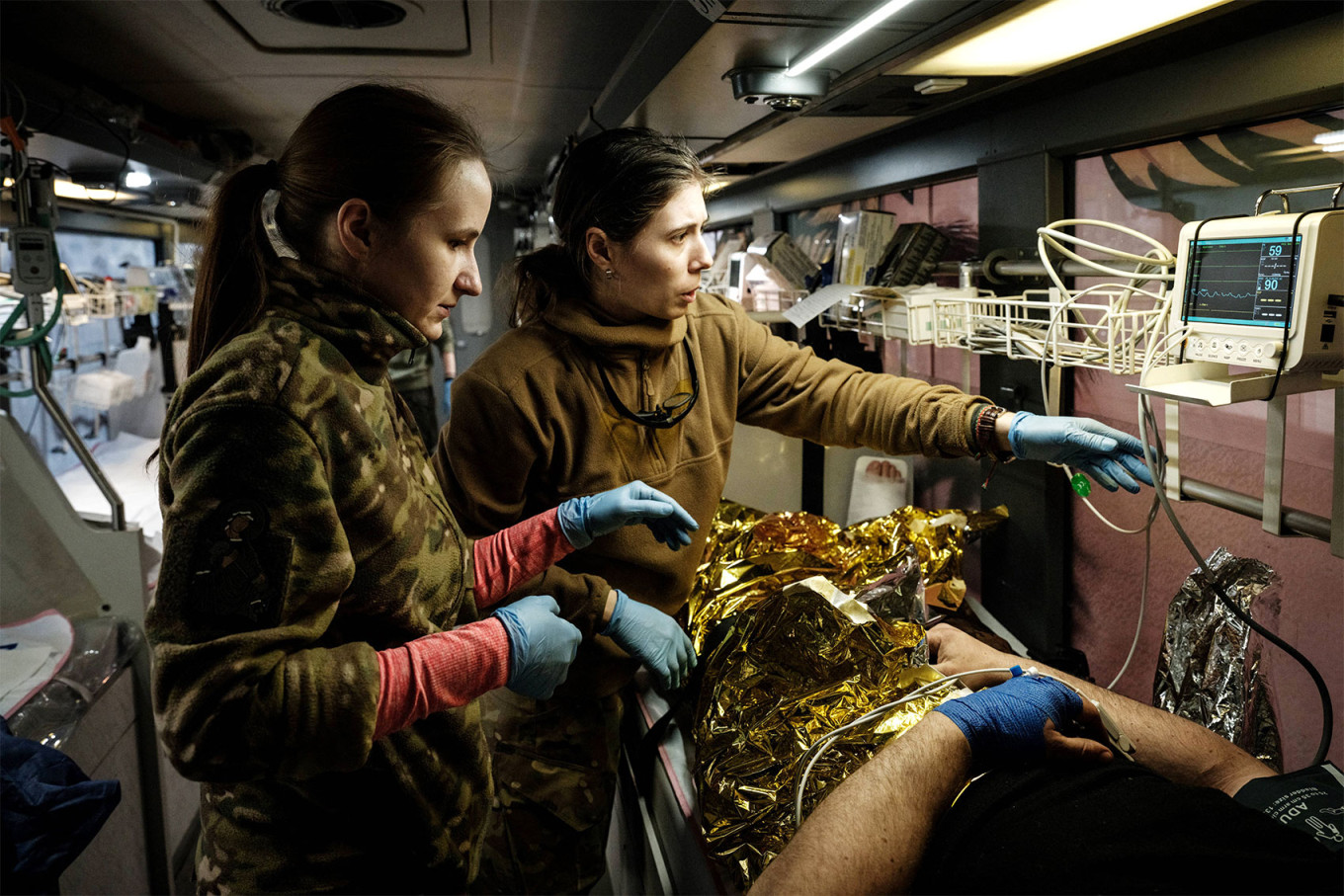
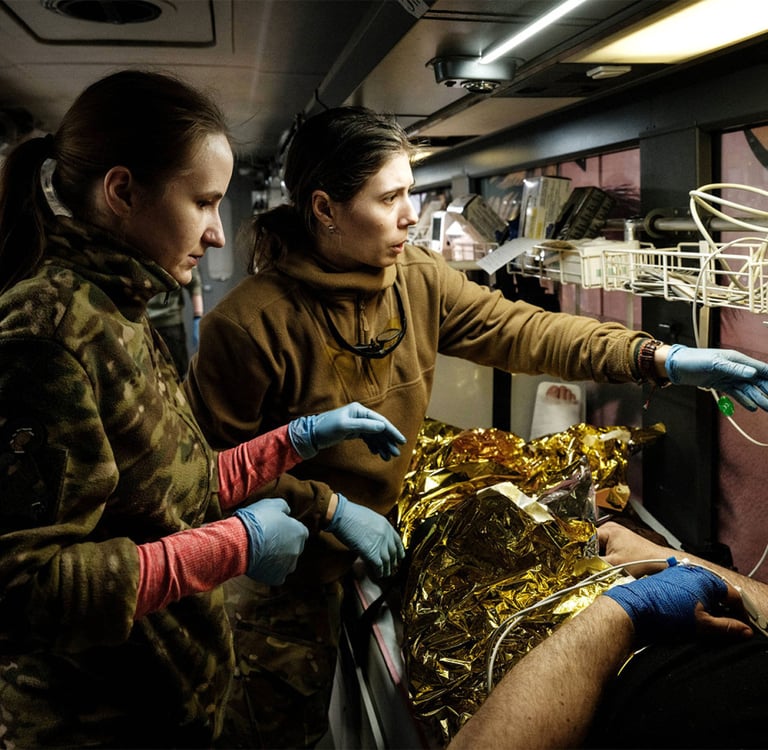
The European Commission has facilitated the safe transfer of more than 5,000 patients from Ukraine to hospitals across 22 European countries, providing access to specialized care through the EU Civil Protection Mechanism (Механізм цивільного захисту ЄС) [Mekhanizm tsyvilnoho zakhystu YES]. This milestone was reached recently, with the latest evacuation flights delivering patients to Finland, Germany, the Netherlands, and Norway. These operations reflect a coordinated effort aimed at ensuring cross-border medical assistance (транскордонна медична допомога) [transkordonna medychna dopomoha] for individuals requiring urgent treatment.
European Commissioner for Equality, Preparedness and Crisis Management, Hadja Lahbib, emphasized the importance of solidarity and cooperation in achieving this result. "Reaching 5,000 medical evacuations under the EU Civil Protection Mechanism shows Europe at its best, saving lives through solidarity and swift cooperation. This achievement was made possible by the unwavering commitment of all countries involved: from Finland, Germany, the Netherlands, and Norway, who welcomed patients just yesterday, to the 18 other European countries that have taken in patients for treatment and care. We will continue to strengthen our collective response to protect those most in need." Her statement highlights the role of international humanitarian coordination (міжнародна гуманітарна координація) [mizhnarodna humanitarna koordynatsiia] and emergency response cooperation (співпраця у надзвичайному реагуванні) [spivpratsia u nadzvychainomu reahuvanni] in addressing large-scale crises.
Since the beginning of Russia’s war of aggression, the European Union has worked continuously with Member States and international partners to ensure that Ukrainian patients in critical condition can receive treatment outside the country. This sustained effort demonstrates the importance of healthcare system support (підтримка системи охорони здоров’я) [pidtrymka systemy okhorony zdorovia] and the need for urgent medical intervention access (доступ до невідкладного медичного втручання) [dostup do nevidkladnoho medychnoho vtruchannia] for vulnerable populations affected by conflict.
The evacuations are coordinated through the European Commission’s Emergency Response Coordination Centre, working closely with the World Health Organization’s Regional Office for Europe. This collaboration ensures that patients suffering from severe injuries, chronic illnesses, and complex medical conditions are transferred efficiently to facilities capable of providing advanced care. Such coordination underscores the value of integrated medical logistics systems (інтегровані системи медичної логістики) [intehrovani systemy medychnoi lohistyky] and specialized treatment networks (мережі спеціалізованого лікування) [merezhi spetsializovanoho likuvannia].
Hospitals across EU Member States have played a critical role by offering high-level medical services, while transport systems have been adapted to meet the specific needs of patients. Medicalized flights and ground transport have been organized rapidly, even under challenging conditions, ensuring safe and effective transfers. This reflects the efficiency of medical evacuation operations (операції медичної евакуації) [operatsii medychnoi evakuatsii] and the importance of patient transfer safety protocols (протоколи безпечного перевезення пацієнтів) [protokoly bezpechnoho perevezennia patsiientiv].
This initiative represents the largest medical evacuation effort ever carried out under the European Civil Protection Mechanism. Beyond immediate assistance, it also highlights the EU’s long-term commitment to strengthening Ukraine’s healthcare resilience and supporting those most affected by the war. The scale of the operation demonstrates the capacity for collective crisis response (колективне реагування на кризу) [kolektyvne reahuvannia na kryzu] and reinforces the importance of solidarity-driven assistance frameworks (системи допомоги на основі солідарності) [systemy dopomohy na osnovi solidarnosti] in addressing humanitarian emergencies.
As the conflict continues, such coordinated medical efforts remain essential for saving lives and reducing the burden on Ukraine’s healthcare system. The European Union’s ongoing involvement illustrates how international cooperation can provide tangible support in times of crisis, ensuring that patients receive the care they need regardless of borders.
Key Ukrainian Vocabulary
Механізм цивільного захисту ЄС [Mekhanizm tsyvilnoho zakhystu YES] EU Civil Protection Mechanism
транскордонна медична допомога [transkordonna medychna dopomoha] cross-border medical assistance
міжнародна гуманітарна координація [mizhnarodna humanitarna koordynatsiia] international humanitarian coordination
співпраця у надзвичайному реагуванні [spivpratsia u nadzvychainomu reahuvanni] emergency response cooperation
підтримка системи охорони здоров’я [pidtrymka systemy okhorony zdorovia] healthcare system support
доступ до невідкладного медичного втручання [dostup do nevidkladnoho medychnoho vtruchannia] urgent medical intervention access
інтегровані системи медичної логістики [intehrovani systemy medychnoi lohistyky] integrated medical logistics systems
мережі спеціалізованого лікування [merezhi spetsializovanoho likuvannia] specialized treatment networks
операції медичної евакуації [operatsii medychnoi evakuatsii] medical evacuation operations
протоколи безпечного перевезення пацієнтів [protokoly bezpechnoho perevezennia patsiientiv] patient transfer safety protocols
колективне реагування на кризу [kolektyvne reahuvannia na kryzu] collective crisis response
системи допомоги на основі солідарності [systemy dopomohy na osnovi solidarnosti] solidarity-driven assistance frameworks
Daily life for medical volunteers on the frontline in Ukraine.
Learn the official language of Ukraine in 30 days thanks to the most complete grammar, vocabulary and culture course available.
Start speaking Ukrainian today!
For requests or suggestions: pr@ukrainian-institute.com
© Copyright 2026 Ukrainian Institute
Support Ukraine in its fight for Freedom: