
Not an Army, But Close: Russia’s Shadow Fleet as a Covert Military Asset
An investigation reveals how maritime logistics, finance, and intelligence converge into a powerful hidden system
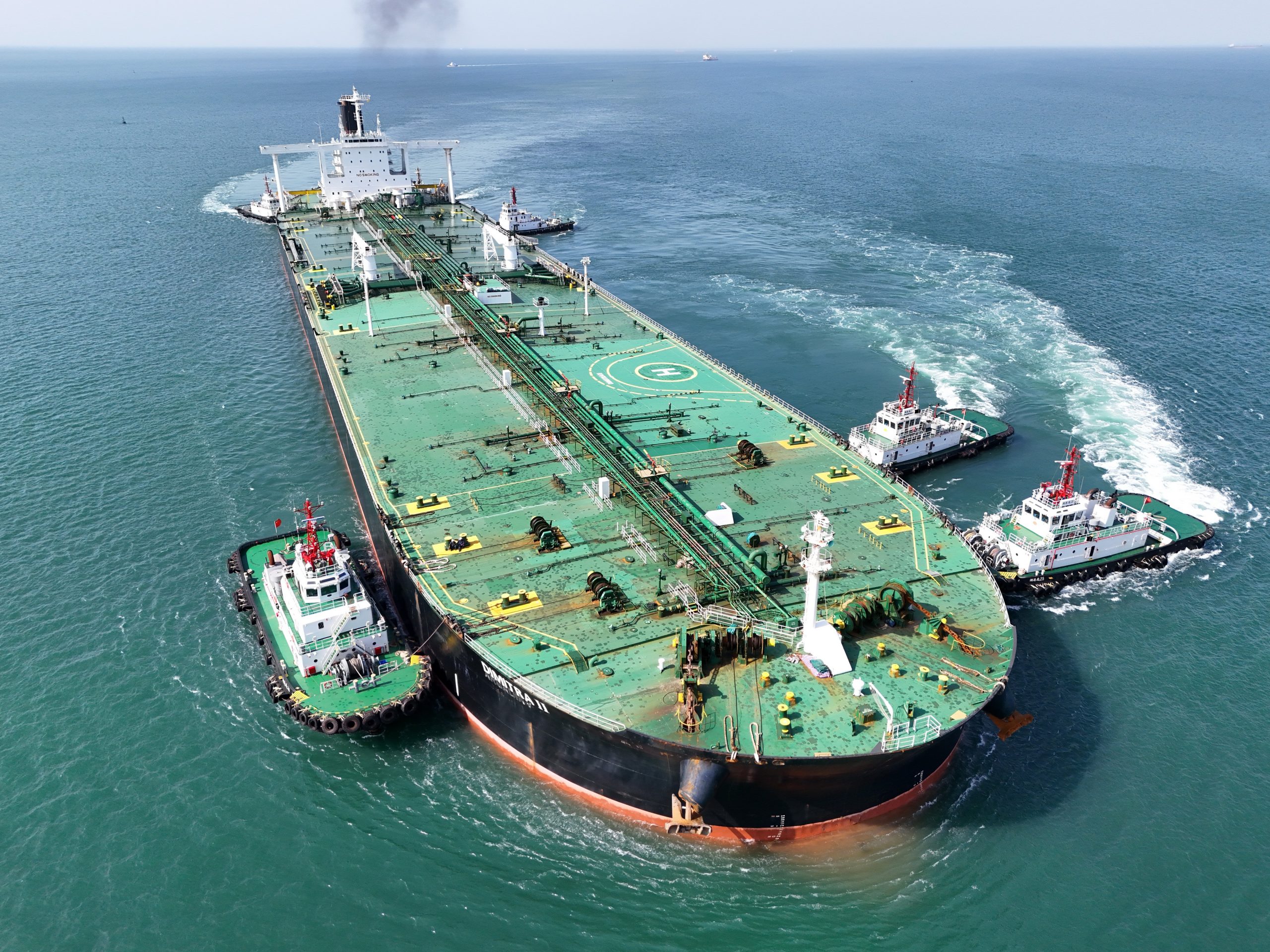
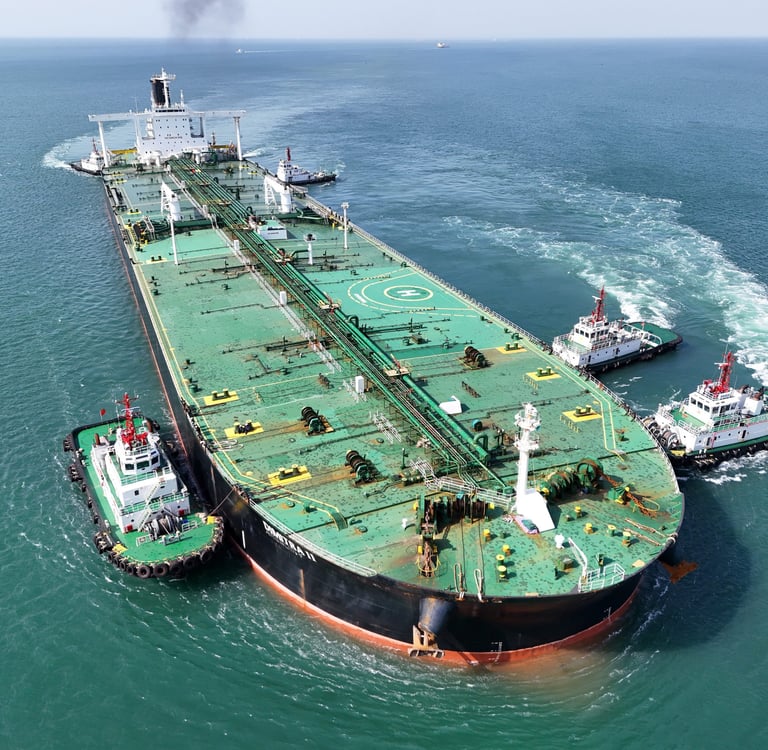
Since the beginning of the full-scale invasion of Ukraine, Russia has relied heavily on its so-called “shadow fleet” of tankers as a central pillar of its war effort. These vessels function not only as commercial carriers but also as instruments of covert maritime logistics (прихована морська логістика) [prykhovana morska lohistyka] and sanctions evasion networks (мережі обходу санкцій) [merezhi obkhodu sanktsii], transporting oil, weapons, and even stolen Ukrainian grain. Operating under flags of convenience, the fleet allows Russia to bypass international restrictions while maintaining critical economic flows that sustain its military operations.
An investigation based on internal documents reveals that this shadow fleet is not a loose collection of ships but a structured system built and controlled by the Kremlin. It is deeply embedded within Russia’s defense, intelligence, and financial institutions, forming a unified apparatus of state-controlled infrastructure (інфраструктура під державним контролем) [infrastruktura pid derzhavnym kontrolem] and strategic resource management (стратегічне управління ресурсами) [stratehichne upravlinnia resursamy]. The fleet operates under the supervision of individuals closely linked to the highest levels of Russian leadership, effectively transforming commercial shipping into an extension of national power.
Estimates suggest that the fleet consists of between 1,400 and 1,800 vessels, representing roughly 10% of global wet cargo capacity. Oil and gas revenues remain vital to Russia’s economy, and approximately 80% of its oil exports are transported through a combination of state-controlled, allied, and independent tankers. This highlights the importance of energy export dependency (залежність від експорту енергоносіїв) [zalezhnist vid eksportu enerhonosiiv] and the role of global supply chain manipulation (маніпуляція глобальними ланцюгами постачання) [manipuliatsiia hlobalnymy lantsiuhamy postachannia] in sustaining economic resilience under sanctions.
At the center of this system is a network of influential figures, including members of the Fradkov family. Mikhail Fradkov, a former prime minister and intelligence chief, leads a strategic research institute closely tied to state operations. His sons occupy key roles in finance and defense, reinforcing the integration of elite political networks (елітарні політичні мережі) [elitarni politychni merezhi] and military-industrial coordination (військово-промислова координація) [viiskovo-promyslova koordynatsiia]. Their positions enable direct oversight of financial flows and logistical operations linked to the fleet.
Additional figures connected to the system include individuals responsible for financial management, logistics, and strategic oversight. These actors operate through interconnected networks that span banking, shipping, and intelligence sectors. Their involvement demonstrates the complexity of interagency collaboration structures (структури міжвідомчої співпраці) [struktury mizhvidomchoi spivpratsi] and the role of centralized command systems (централізовані системи управління) [tsentralizovani systemy upravlinnia] in coordinating large-scale covert operations.
Beyond economic functions, the shadow fleet also plays a direct role in military and intelligence activities. Some vessels are reported to carry personnel linked to Russian security services, effectively turning them into platforms for maritime military integration (морська військова інтеграція) [morska viiskova intehratsiia] and covert intelligence operations (приховані розвідувальні операції) [prykhovani rozviduvalni operatsii]. Incidents involving damaged tankers have revealed the presence of military operatives and individuals connected to elite units, reinforcing the notion that these ships are more than civilian assets.
The fleet has also been associated with sabotage and espionage activities, including potential threats to underwater infrastructure in Europe. Such actions illustrate the use of commercial vessels as tools for hybrid warfare tactics (тактики гібридної війни) [taktyky hibrydnoi viiny] and strategic disruption operations (операції стратегічного порушення) [operatsii stratehichnoho porushennia]. By embedding military capabilities within civilian platforms, Russia blurs the line between commercial and military domains.
Financially, the shadow fleet is sustained through a complex network designed to bypass sanctions. Entities linked to state banks and private intermediaries facilitate transactions using alternative systems, including cryptocurrency-based mechanisms. This structure enables the continuation of trade and revenue flows through parallel financial systems (паралельні фінансові системи) [paralelni finansovi systemy] and sanctions-resistant transactions (транзакції, стійкі до санкцій) [tranzaktsii stiiki do sanktsii]. These mechanisms ensure that the fleet remains operational despite international restrictions.
"Our payment infrastructure is designed in such a way that sanctions cannot affect the fulfilment of our obligations. Therefore, clients and partners of A7 can be confident that all agreements will be fully executed." This statement underscores the deliberate design of financial channels intended to bypass regulatory oversight and maintain uninterrupted operations.
The ageing condition of many vessels introduces significant environmental risks. Approximately 40% of the fleet consists of ships over 30 years old, increasing the likelihood of accidents. A notable incident in the Kerch Strait resulted in a major fuel spill, demonstrating the potential consequences of maritime environmental hazards (морські екологічні загрози) [morski ekolohichni zahrozy] and the broader impact of industrial accident risks (ризики промислових аварій) [ryzyky promyslovykh avarii].
Insurance arrangements further illustrate the integration of the fleet into state structures. With international insurers withdrawing due to sanctions, Russia has shifted risk coverage to domestic institutions, including state-backed entities. These arrangements highlight the role of state-backed insurance systems (державні страхові системи) [derzhavni strakhovi systemy] and the consolidation of financial risk centralization (централізація фінансових ризиків) [tsentralizatsiia finansovykh ryzykiv] within the national economy.
Through this combination of logistics, finance, and military integration, Russia’s shadow fleet operates as a comprehensive system of power projection. Controlled by state institutions and supported by a network of loyal intermediaries, it represents a model of integrated state power projection (інтегроване проєктування державної сили) [intehrovane proiektuvannia derzhavnoi syly] and covert operational infrastructure (прихована операційна інфраструктура) [prykhovana operatsiina infrastruktura]. The fleet demonstrates how commercial assets can be transformed into strategic tools, extending national influence across global maritime routes.
Key Ukrainian Vocabulary
прихована морська логістика [prykhovana morska lohistyka] covert maritime logistics
мережі обходу санкцій [merezhi obkhodu sanktsii] sanctions evasion networks
інфраструктура під державним контролем [infrastruktura pid derzhavnym kontrolem] state-controlled infrastructure
стратегічне управління ресурсами [stratehichne upravlinnia resursamy] strategic resource management
залежність від експорту енергоносіїв [zalezhnist vid eksportu enerhonosiiv] energy export dependency
маніпуляція глобальними ланцюгами постачання [manipuliatsiia hlobalnymy lantsiuhamy postachannia] global supply chain manipulation
елітарні політичні мережі [elitarni politychni merezhi] elite political networks
військово-промислова координація [viiskovo-promyslova koordynatsiia] military-industrial coordination
структури міжвідомчої співпраці [struktury mizhvidomchoi spivpratsi] interagency collaboration structures
централізовані системи управління [tsentralizovani systemy upravlinnia] centralized command systems
морська військова інтеграція [morska viiskova intehratsiia] maritime military integration
приховані розвідувальні операції [prykhovani rozviduvalni operatsii] covert intelligence operations
тактики гібридної війни [taktyky hibrydnoi viiny] hybrid warfare tactics
операції стратегічного порушення [operatsii stratehichnoho porushennia] strategic disruption operations
паралельні фінансові системи [paralelni finansovi systemy] parallel financial systems
транзакції, стійкі до санкцій [tranzaktsii stiiki do sanktsii] sanctions-resistant transactions
морські екологічні загрози [morski ekolohichni zahrozy] maritime environmental hazards
ризики промислових аварій [ryzyky promyslovykh avarii] industrial accident risks
державні страхові системи [derzhavni strakhovi systemy] state-backed insurance systems
централізація фінансових ризиків [tsentralizatsiia finansovykh ryzykiv] financial risk centralization
інтегроване проєктування державної сили [intehrovane proiektuvannia derzhavnoi syly] integrated state power projection
прихована операційна інфраструктура [prykhovana operatsiina infrastruktura] covert operational infrastructure
Daily life for medical volunteers on the frontline in Ukraine.
Learn the official language of Ukraine in 30 days thanks to the most complete grammar, vocabulary and culture course available.
Start speaking Ukrainian today!


For requests or suggestions: pr@ukrainian-institute.com
© Copyright 2026 Ukrainian Institute
Support Ukraine in its fight for Freedom: