Public Support Endures: Americans Remain Committed to Ukraine Despite Political Signals
Polling data and civil society engagement reveal a gap between leadership rhetoric and public opinion
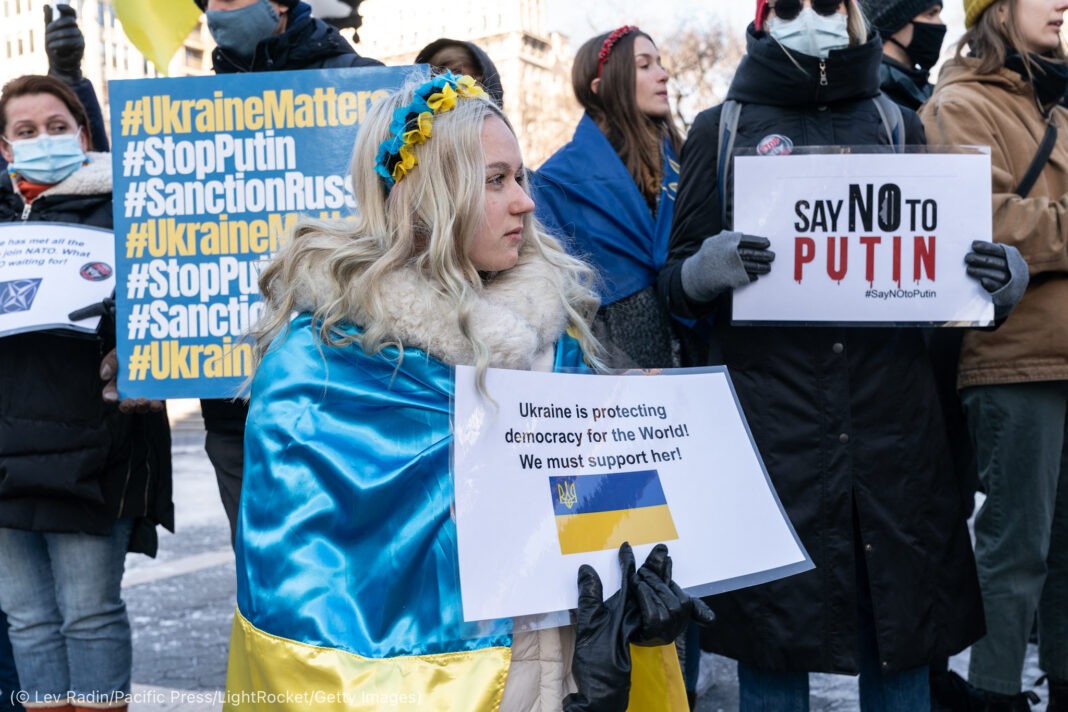
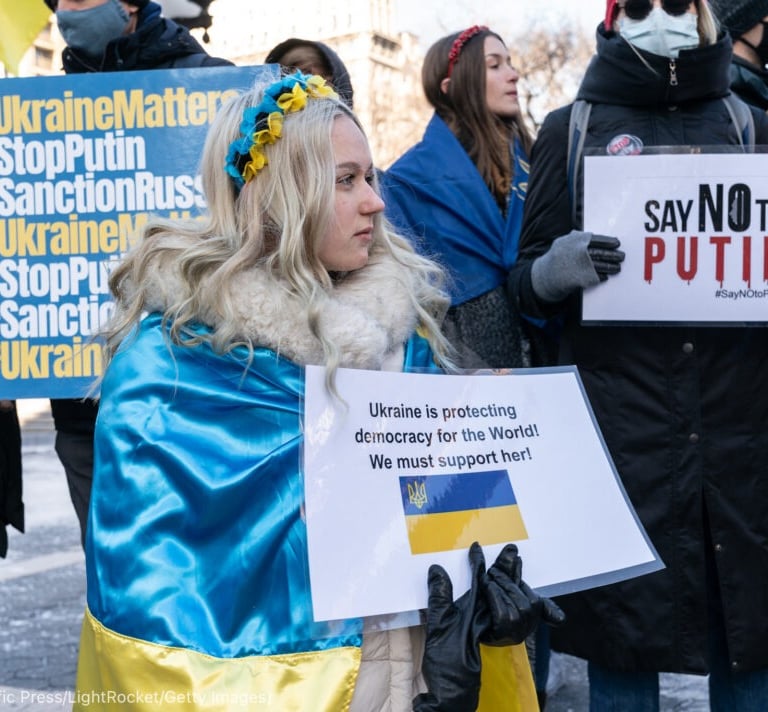
In ongoing conversations with Ukrainian partners, a recurring concern emerges: whether the United States is stepping back from its support. While gratitude for humanitarian assistance remains strong, it is often followed by a pressing question about foreign policy commitment (зовнішньополітична відданість) [zovnishnopolitychna viddanist]. The answer provided by those engaged in direct cooperation is clear: public backing in the United States remains firm despite shifting political narratives.
Through direct engagement with Ukrainian families, medical professionals, and educators, observers report widespread exhaustion but also remarkable resilience. These encounters reflect the human dimension of the war, shaped by trauma and uncertainty, but also by determination. At the same time, increased exposure to American political discourse has contributed to concerns about perceived policy shifts (сприйняті зміни політики) [spryiniati zminy polityky], especially when rhetoric appears inconsistent with previous support.
Despite this perception, polling data shows a different reality. Surveys conducted in early 2026 indicate that a strong majority of Americans sympathize with Ukraine. Approximately 61% of respondents express support for Ukraine, compared to just 3% for Russia. Among those who closely follow the conflict, support rises even further, illustrating a clear pattern of public opinion alignment (узгодження громадської думки) [uzhodzhennia hromadskoi dumky] with Ukraine’s position.
Importantly, this support cuts across political affiliations. While levels of enthusiasm vary, majorities among Democrats, Republicans, and independents all indicate sympathy for Ukraine. This suggests that, despite political polarization, there remains a shared understanding of the conflict rooted in moral clarity in conflict (моральна ясність у конфлікті) [moralna yasnist u konflikti]—namely, that Ukraine is defending itself against aggression.
At the same time, recent statements from political leadership have created unease among both Americans and Ukrainians. Comments that appear to shift responsibility for the war or diminish Ukraine’s position have raised questions about policy coherence (узгодженість політики) [uzhodzhenist polityky]. These developments contribute to a perception that the United States may be adopting a more conciliatory stance toward Russia, even if this perception does not reflect broader societal views.
Understanding this divergence requires recognizing the complexity of the American political system. Decision-making is influenced not only by the executive branch but also by Congress, media institutions, and civil society organizations. Over time, these actors collectively shape outcomes, reinforcing the importance of institutional balance of power (інституційний баланс влади) [instytutsiinyi balans vlady] in determining foreign policy direction.
Beyond the United States, European public opinion shows even stronger support for Ukraine. Surveys across the European Union indicate that a large majority supports financial and humanitarian assistance, while a significant portion also backs military aid. These figures reflect a growing awareness of the war’s implications for regional security stability (регіональна безпекова стабільність) [rehionalna bezpekova stabilnist] and the principle that national borders must be respected.
European governments have increasingly translated this public sentiment into concrete actions, expanding financial, humanitarian, and military assistance. This reflects a broader trend of collective defense engagement (колективна оборонна участь) [kolektyvna oboronna uchast], where states coordinate efforts to address shared security challenges.
For Ukrainians living under constant threat, such polling data may seem abstract compared to immediate needs such as weapons, reconstruction funding, and long-term guarantees. However, the persistence of strong public support abroad plays a critical role in sustaining international assistance. It reinforces the idea that Ukraine’s struggle is not isolated but connected to broader concerns about democratic sovereignty protection (захист демократичного суверенітету) [zakhyst demokratychnoho suverenitetu].
Through ongoing humanitarian and development work, observers continue to witness the resilience of Ukrainian communities. Families, local organizations, and civil society groups demonstrate adaptability and determination in the face of adversity. Their efforts highlight the enduring importance of civil resilience capacity (спроможність громадянської стійкості) [spromozhnist hromadianskoi stiikosti] in sustaining society during prolonged conflict.
Ultimately, the gap between political rhetoric and public opinion underscores a key reality: while leadership positions may fluctuate, the underlying support among citizens in both the United States and Europe remains strong. This continued backing is likely to remain a decisive factor in shaping the future trajectory of international assistance to Ukraine.
Key Ukrainian Vocabulary
зовнішньополітична відданість [zovnishnopolitychna viddanist] foreign policy commitment
сприйняті зміни політики [spryiniati zminy polityky] perceived policy shifts
узгодження громадської думки [uzhodzhennia hromadskoi dumky] public opinion alignment
моральна ясність у конфлікті [moralna yasnist u konflikti] moral clarity in conflict
узгодженість політики [uzhodzhenist polityky] policy coherence
інституційний баланс влади [instytutsiinyi balans vlady] institutional balance of power
регіональна безпекова стабільність [rehionalna bezpekova stabilnist] regional security stability
колективна оборонна участь [kolektyvna oboronna uchast] collective defense engagement
захист демократичного суверенітету [zakhyst demokratychnoho suverenitetu] democratic sovereignty protection
спроможність громадянської стійкості [spromozhnist hromadianskoi stiikosti] civil resilience capacity
Europe approves creation of tribunal to judge 'crimes of aggression' committed by Russia in Ukraine.
Learn the official language of Ukraine in 30 days thanks to the most complete grammar, vocabulary and culture course available.
Start speaking Ukrainian today!

For requests or suggestions: pr@ukrainian-institute.com
© Copyright 2026 Ukrainian Institute
Support Ukraine in its fight for Freedom: