
Russia Plans Potential Buffer Zone Near Transnistria Border, Ukrainian Officials Say
Limited operational capacity and ongoing military precautions shape regional security outlook
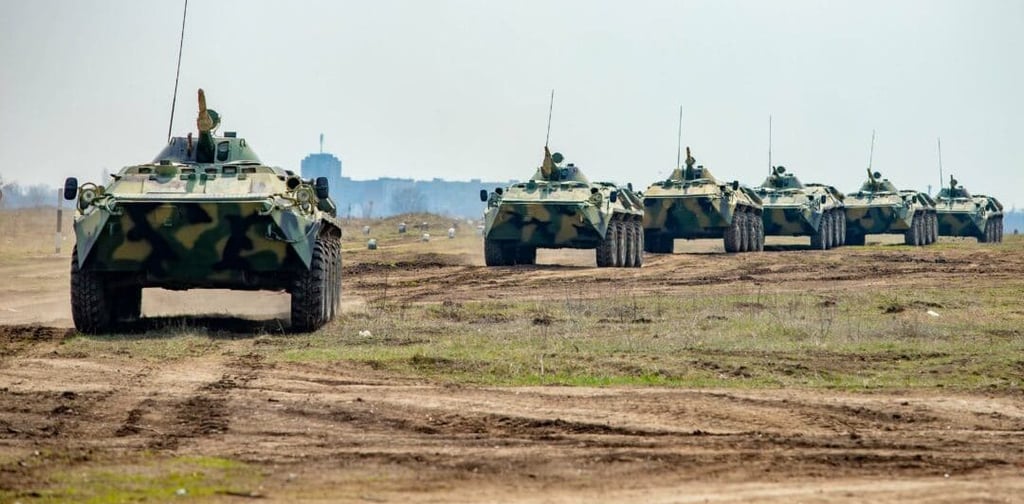
Russian plans to establish a buffer zone along the border between the Transnistria region and Ukraine’s Vinnytsia Oblast have been reported by Ukrainian officials, pointing to possible territorial security adjustments (територіальні безпекові зміни) and evolving border control strategies (стратегії контролю кордону). The proposal would involve the Russian-controlled area of Transnistria, which has remained outside Moldovan government control since the early 1990s.
According to Ukrainian officials, this is the first documented indication of such intentions on Russia’s part. Despite the announcement, authorities emphasize that there is currently no evidence of sufficient military operational capacity (оперативні військові спроможності) to implement these plans. One official stated, “To be frank, there is no need to panic, as I do not currently see them having the capacity to carry out all of these plans.”
The Transnistrian region borders both Odesa and Vinnytsia oblasts, with the frontier extending over 400 kilometers. This geographic positioning makes it strategically relevant for regional security dynamics (регіональна безпекова динаміка) and potential cross-border military activity (прикордонна військова активність). Russian forces have maintained a presence there for decades, with estimates indicating between 1,000 and 1,500 troops stationed in the area.
Ukrainian officials also noted that similar buffer zone concepts have been discussed in relation to northeastern regions, including Kharkiv, Sumy, and Chernihiv oblasts. These proposals align with broader Russian objectives related to defensive perimeter expansion (розширення оборонного периметра) and attempts to reshape the operational environment along contested borders.
Despite these ambitions, assessments suggest that neither side currently possesses the capability to significantly alter the frontline situation in the near term. Officials point to the absence of conditions necessary for operational-level breakthroughs (оперативні прориви) and large-scale territorial changes, indicating a continued phase of relative stability in frontline positioning.
Moldova has consistently called for the withdrawal of Russian forces from Transnistria and advocates for peaceful reintegration of the region. The continued presence of foreign troops remains a central issue in sovereignty disputes (суперечки щодо суверенітету) and broader regional stability discussions.
In response to potential threats, Ukraine has taken precautionary measures along its border with Transnistria. These include the deployment of additional mechanized units and the strengthening of defensive positions, reflecting a focus on border fortification measures (заходи укріплення кордону) and preventive defence planning (планування превентивної оборони).
Reports also indicate that Ukrainian forces have begun laying mines along sections of the border, highlighting the seriousness with which these developments are being treated. Such actions are part of broader efforts to mitigate risks associated with unexpected escalation scenarios (сценарії несподіваної ескалації) and maintain defensive readiness.
Overall, while the reported plans signal potential strategic intentions, current assessments suggest limited immediate capability for their execution. The situation remains closely monitored as part of the wider security landscape surrounding Ukraine and neighboring regions.
Russian Troop Movements in Transnistria.
Learn the official language of Ukraine in 30 days thanks to the most complete grammar, vocabulary and culture course available.
Start speaking Ukrainian today!


For requests or suggestions: pr@ukrainian-institute.com
© Copyright 2026 Ukrainian Institute
Support Ukraine in its fight for Freedom: