
Russian War Bloggers Turn Critical as Frustration with War and Leadership Grows
Rising dissent, battlefield realities, and censorship reshape pro-war information space
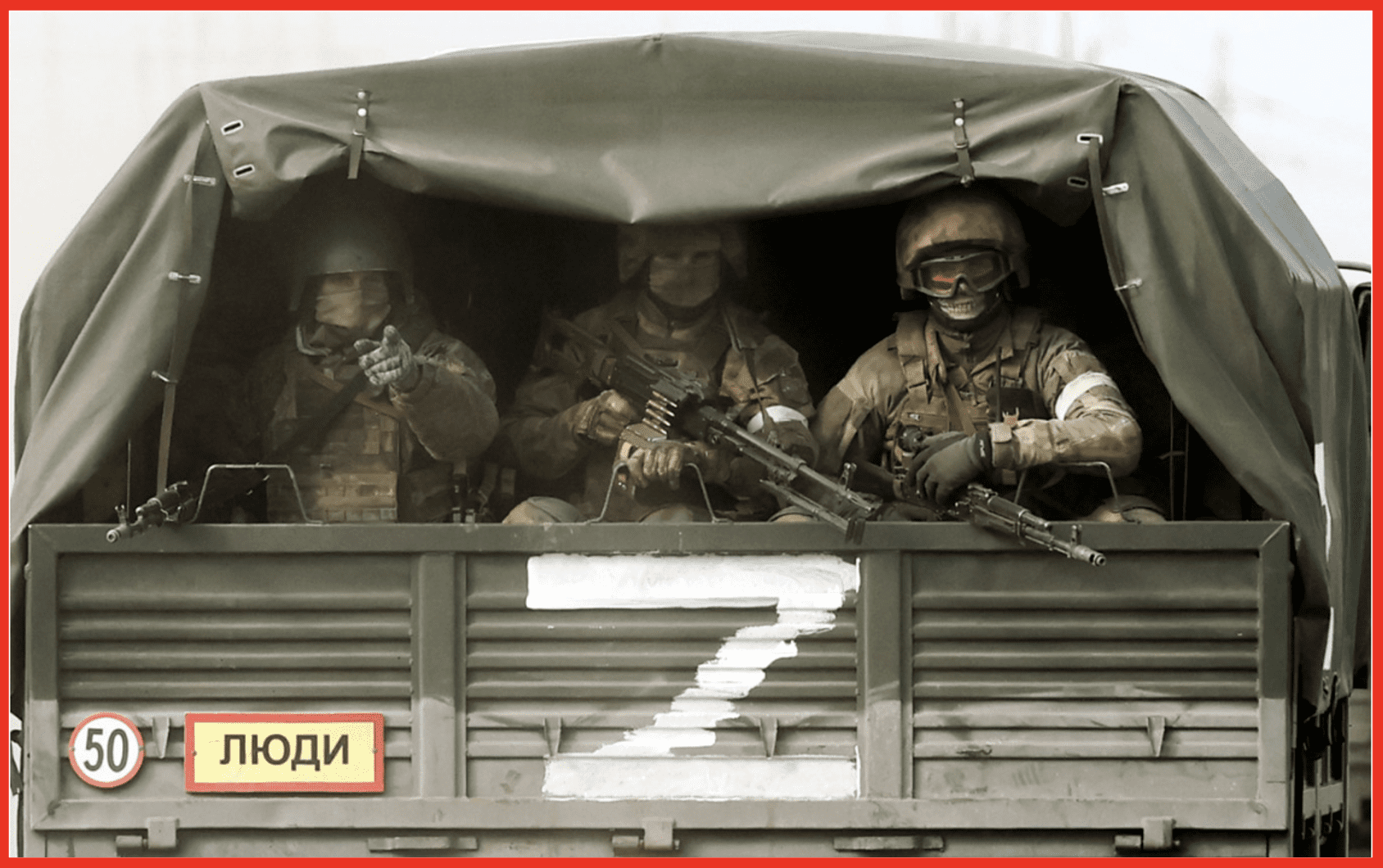
Russian pro-war bloggers, once a key pillar of support for the invasion, are increasingly expressing criticism not only of military leadership but also of the broader war effort and political authority. This shift reflects growing dissatisfaction with military command performance (ефективність військового командування) and mounting concerns over war sustainability (стійкість ведення війни).
Initially, these bloggers played a central role in shaping public perception, offering frontline updates that were often faster and more detailed than official reports. Their influence contributed to information credibility within propaganda systems (довіра до інформації в системі пропаганди) and helped reinforce narratives aligned with state messaging. However, direct criticism of the war itself remained a prohibited topic.
Over time, this environment has changed. Increasing numbers of bloggers now describe the conflict as stalled, pointing to operational deadlock conditions (умови оперативного глухого кута) and questioning the effectiveness of continued offensives. Posts highlight issues such as heavy losses, poor coordination, and systemic failures, reflecting deeper concerns about battlefield management deficiencies (недоліки управління на полі бою).
Some commentators have openly criticized the distribution of resources and recognition within the military. Reports of corruption, mismanagement, and unequal treatment have fueled narratives of institutional inequality (інституційна нерівність) and command-level corruption (корупція на рівні командування). These claims are reinforced by accounts of soldiers being used inefficiently and suffering high casualties before reaching combat positions.
The information space itself has also undergone fragmentation. While some prominent figures have integrated into official media structures, others — particularly smaller frontline bloggers — have adopted a more critical stance. This division highlights a breakdown in centralized messaging control (контроль централізованих повідомлень) and the weakening of previously coordinated narratives.
Independent analysis suggests that this shift has undermined the original purpose of these bloggers, which was to increase trust in military reporting. As a result, both state media and pro-war Telegram channels are experiencing declining credibility, pointing to a broader crisis in information trust systems (системи довіри до інформації).
The risks associated with dissent remain significant. Cases have been reported where individuals who publicly challenged official narratives faced severe consequences, including legal action or forced psychiatric treatment. These responses illustrate the persistence of repressive control mechanisms (репресивні механізми контролю) aimed at limiting dissent.
Despite these risks, the volume of critical commentary has increased. Analysts note a rise in posts addressing themes such as censorship, mobilization concerns, and economic pressures, including inflation and restrictions on internet access. These factors contribute to growing social dissatisfaction indicators (індикатори соціального невдоволення) within segments of the population.
Experts suggest that some of the criticism may also be indirectly encouraged by elements within the political system, potentially as a way to gauge public reaction to policy shifts. This reflects the use of bloggers as tools in controlled feedback mechanisms (контрольовані механізми зворотного зв’язку) within the broader information landscape.
At the same time, battlefield realities are becoming harder to obscure. Reports describe high casualty rates, logistical challenges, and the limited effectiveness of continued assaults. These developments reinforce perceptions of unsustainable operational losses (нестійкі оперативні втрати) and contribute to a growing sense of pessimism among commentators.
The evolving discourse among pro-war bloggers highlights a broader transformation in the information environment surrounding the conflict. While not unified or centrally organized, this community continues to serve as an indicator of internal sentiment, reflecting tensions between official narratives and on-the-ground realities.
Examining Telegram Posts from Russia's "Z Bloggers".
Learn the official language of Ukraine in 30 days thanks to the most complete grammar, vocabulary and culture course available.
Start speaking Ukrainian today!


For requests or suggestions: pr@ukrainian-institute.com
© Copyright 2026 Ukrainian Institute
Support Ukraine in its fight for Freedom: