Ukraine Moves to Reform Gambling Sector With Focus on Regulation, Military Restrictions, and Market Transparency
Deputy minister outlines policy direction, addressing addiction risks, taxation issues, and efforts to reduce illegal operations
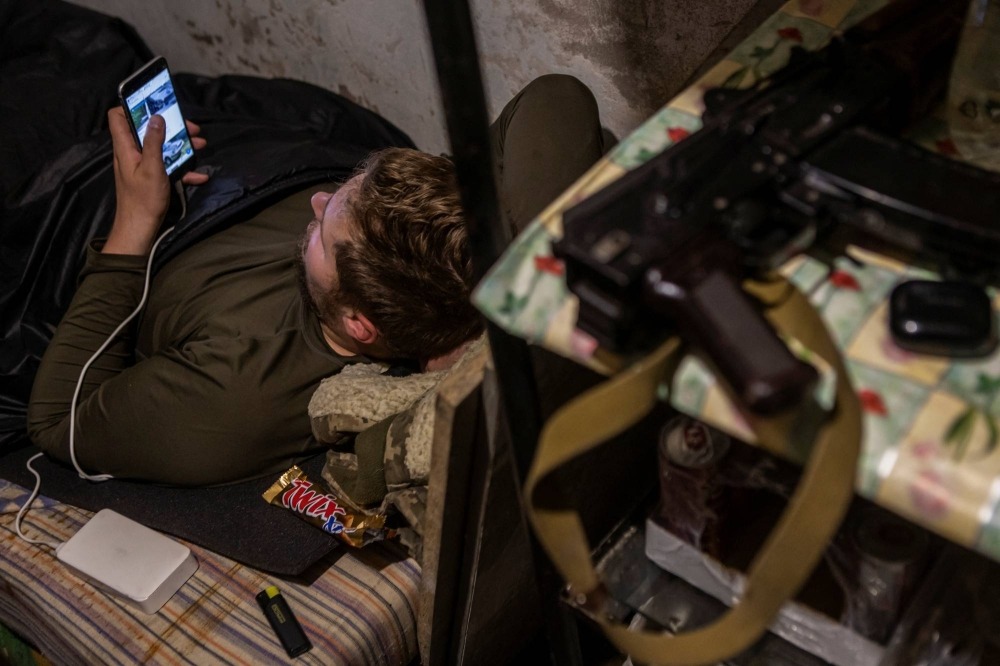

Ukraine’s gambling sector is undergoing a comprehensive regulatory reform process (процес регуляторної реформи) [protses rehuliatornoi reformy], according to officials responsible for overseeing the transformation. One of the most debated initiatives is the proposed restriction on gambling access for military personnel, driven by concerns over gambling addiction (ігрова залежність) [ihrova zalezhnist] and its documented impact on service members.
Authorities confirmed that a mechanism is being developed to enforce restrictions through digital identification systems (системи цифрової ідентифікації) [systemy tsyfrovoi identyfikatsii]. When users register on gambling platforms, their data would be cross-checked against registries, including those tracking individuals with restricted access and active military personnel. If a match is found, access would be denied without disclosing whether the restriction is linked to addiction or service status, ensuring data confidentiality (конфіденційність даних) [konfidentsiinist danykh].
The implementation of such measures depends on the readiness of relevant databases, particularly a registry of military personnel currently under development. Officials expect it to become operational in the near future, forming part of broader state monitoring mechanisms (державні механізми моніторингу) [derzhavni mekhanizmy monitorynhu] aimed at improving oversight of the gambling sector.
Concerns remain that stricter regulation could drive users toward unregulated platforms. Policymakers acknowledged the risk of illegal market expansion (розширення нелегального ринку) [rozshyrennia nelehalnoho rynku], emphasizing that restrictions must be accompanied by stronger enforcement measures, including blocking unauthorized websites and tightening control over payment systems in cooperation with financial regulators.
Public consultation is ongoing, allowing stakeholders to contribute feedback and propose alternatives. Authorities stressed that their objective is to avoid unintended consequences such as reduced tax revenue or increased activity in the shadow economy, highlighting the importance of balanced policy decisions (збалансовані політичні рішення) [zbalansovani politychni rishennia].
Officials also confirmed that while a full ban is under consideration, the most likely outcome will involve targeted restrictions for high-risk groups. The policy direction reflects both institutional and societal recognition of addiction-related risks, as well as the need to address social stigmatization (соціальна стигматизація) [sotsialna styhmatyzatsiia] associated with gambling disorders.
The regulatory framework includes legally defined indicators of risky behavior, such as rapid increases in betting activity, frequent deposits, and attempts to bypass limits. Operators are required to intervene when such patterns are detected, illustrating a system of behavioral risk monitoring (моніторинг поведінкових ризиків) [monitorynh povedinkovykh ryzykiv] designed to prevent harmful outcomes.
Authorities reported that more than 15,000 individuals are currently listed in the national registry of restricted players. Efforts are underway to ensure that inclusion in this database is treated confidentially, encouraging voluntary participation and reinforcing preventive intervention policies (політика превентивного втручання) [polityka preventyvnoho vtruchannia].
Market data indicates that Ukrainians spent approximately Hr. 158 billion on gambling activities in 2025, with estimates suggesting that up to half of the sector may operate outside official regulation. This highlights the scale of the shadow economy activity (діяльність тіньової економіки) [diialnist tinovoi ekonomiky] within the industry, complicating efforts to ensure transparency and compliance.
To address inconsistencies, the government is proposing changes to the taxation model. Currently, operators face dual taxation through gross gaming revenue and corporate income tax. Proposed reforms would allow adjustments to align with economic rationality principles (принципи економічної доцільності) [pryntsypy ekonomichnoi dotsilnosti], including taxing only net winnings rather than total withdrawals.
Interest from international operators remains limited due to regulatory uncertainty and the ongoing war. However, officials noted that establishing clear and stable rules could attract foreign investment, positioning such companies as benchmarks for a regulated market environment (регульоване ринкове середовище) [rehulovane rynkove seredovyshche].
Authorities also highlighted progress in enforcement, including the blocking of thousands of illegal websites, removal of hundreds of social media accounts promoting unauthorized gambling, and the issuance of significant fines. These actions form part of a broader effort to strengthen compliance enforcement measures (заходи забезпечення дотримання) [zakhody zabezpechennia dotrymannia] and restore legal order in the sector.
The government also plans to reform the lottery market, which currently operates under restrictive legislation that limits foreign participation. Proposed changes aim to modernize the framework and encourage competition, contributing to a more transparent and efficient market liberalization process (процес лібералізації ринку) [protses liberalizatsii rynku].
Overall, officials reported that reforms have already generated over Hr. 17 billion in tax revenue, alongside the implementation of monitoring systems and regulatory controls. These developments indicate a shift toward a more structured and accountable digital governance model (модель цифрового управління) [model tsyfrovoho upravlinnia] within Ukraine’s gambling industry.
Key Ukrainian Vocabulary
процес регуляторної реформи [protses rehuliatornoi reformy] regulatory reform process
ігрова залежність [ihrova zalezhnist] gambling addiction
системи цифрової ідентифікації [systemy tsyfrovoi identyfikatsii] digital identification systems
конфіденційність даних [konfidentsiinist danykh] data confidentiality
державні механізми моніторингу [derzhavni mekhanizmy monitorynhu] state monitoring mechanisms
розширення нелегального ринку [rozshyrennia nelehalnoho rynku] illegal market expansion
збалансовані політичні рішення [zbalansovani politychni rishennia] balanced policy decisions
соціальна стигматизація [sotsialna styhmatyzatsiia] social stigmatization
моніторинг поведінкових ризиків [monitorynh povedinkovykh ryzykiv] behavioral risk monitoring
політика превентивного втручання [polityka preventyvnoho vtruchannia] preventive intervention policies
діяльність тіньової економіки [diialnist tinovoi ekonomiky] shadow economy activity
принципи економічної доцільності [pryntsypy ekonomichnoi dotsilnosti] economic rationality principles
регульоване ринкове середовище [rehulovane rynkove seredovyshche] regulated market environment
заходи забезпечення дотримання [zakhody zabezpechennia dotrymannia] compliance enforcement measures
процес лібералізації ринку [protses liberalizatsii rynku] market liberalization process
модель цифрового управління [model tsyfrovoho upravlinnia] digital governance model
Ukraine tackles gambling addiction within its military ranks.
Learn the official language of Ukraine in 30 days thanks to the most complete grammar, vocabulary and culture course available.
Start speaking Ukrainian today!
For requests or suggestions: pr@ukrainian-institute.com
© Copyright 2026 Ukrainian Institute
Support Ukraine in its fight for Freedom: